



Texas Facelift


Texas Facelift: Your Complete Guide to Facial Rejuvenation With a Double Board-Certified Expert
In 2024, more than 79,000 facelifts were performed in the West South Central region, including Texas. That’s a 1% increase from 2023, a clear sign that facelifts are growing in popularity.
As you age, you may feel full of energy on the inside, but sometimes the mirror tells a different story. If you notice sagging skin, hollowed cheeks, or jowls, a facelift with Dr. Jordan Rihani can help you look as vibrant as you feel.
Here’s why Dr. Rihani is uniquely qualified to deliver natural, youthful-looking results.
- More than 15 years of experience as a facial plastic and reconstructive surgeon, specializing in facelifts and facial rejuvenation
- Double board-certified in Facial Plastic and Reconstructive Surgery and in Otolaryngology–Head and Neck Surgery
- Named a Top Doctor every year since 2015
- Published author of textbook chapters and peer-reviewed research on subjects like rhinoplasty and head and neck cancer reconstruction
But let’s be honest—like any cosmetic procedure, facelifts can sometimes bring unwanted or unexpected outcomes.
You’ve probably seen it: cheeks pulled up unnaturally high, crooked smiles, or jawlines so sharp they look carved from stone.
Texas may be known for the saying “bigger is better,” but Dr. Rihani takes a different approach.
Instead of pulling the skin tight or creating an exaggerated look, he focuses on the SMAS layer (superficial musculoaponeurotic system)—the deeper structure beneath the skin that provides natural, lasting support.
By tightening and lifting at the structural level, rather than just stretching the skin, he protects nerves, minimizes visible scars, and achieves results that appear natural.
You don’t leave with a stranger’s face. You leave with a refreshed appearance that’s unmistakably yours.
Ready to turn back the clock on facial aging? Schedule your facelift consultation now with Dr. Jordan Rihani, one of Texas’s trusted facial plastic surgeons.
Why Choose Facial Plastic Surgery Institute and Dr. Jordan Rihani for Your Texas Facelift?
The surgeon you choose influences not only your results but also how confident and supported you feel throughout the entire process.
Facial surgery demands precision, advanced skill, and a deep understanding of facial anatomy, and that’s precisely what Dr. Jordan Rihani provides.
- Unparalleled Expertise
- He is double board-certified in Otolaryngology–Head and Neck Surgery and in Facial Plastic and Reconstructive Surgery.
- As a clinical Assistant Professor at UT Southwestern Medical Center, he is recognized nationwide for his excellence in facial surgery.
- He brings extensive surgical experience, focusing exclusively on facial procedures, and offers a range of options, including advanced deep plane facelifts and nonsurgical treatments such as fillers and BOTOX®.
- He earned his medical degree from the New York University School of Medicine, one of the world’s leading institutions.
- He completed a highly competitive residency at UT Southwestern, where he trained under some of the most respected figures in facial plastic surgery.
- Patient-centered Approach
- He creates personalized treatment plans tailored to each patient’s anatomy, goals, and expectations.
- His results are natural-looking, carefully avoiding the “pulled” or overdone appearance.
- He prioritizes comfort, confidence, and satisfaction throughout every stage of care.
- Reputation and Recognition
- Dr. Rihani is the founder and lead surgeon of the Facial Plastic Surgery Institute, a premier center for facial rejuvenation in Texas.
- He has been consistently recognized as a Top Doctor since 2015.
- He is also a published author and contributor in peer-reviewed journals and medical textbooks on facial plastic and head and neck surgery.
Looking for a smoother, more youthful appearance? Schedule your facelift consultation with one of the nation’s leading facial plastic surgeons today.
Call (817) 529-3232, complete our online consultation form, or visit us in person at 800 8th Ave, Suite 400, Fort Worth, TX 76104.
You can also drive by our offices here:
- Southlake Office
- 171 W Southlake Blvd, Suite 100
- Southlake, TX 76092
- Fort Worth Office
- 800 8th Ave #400
- Fort Worth, TX 76104
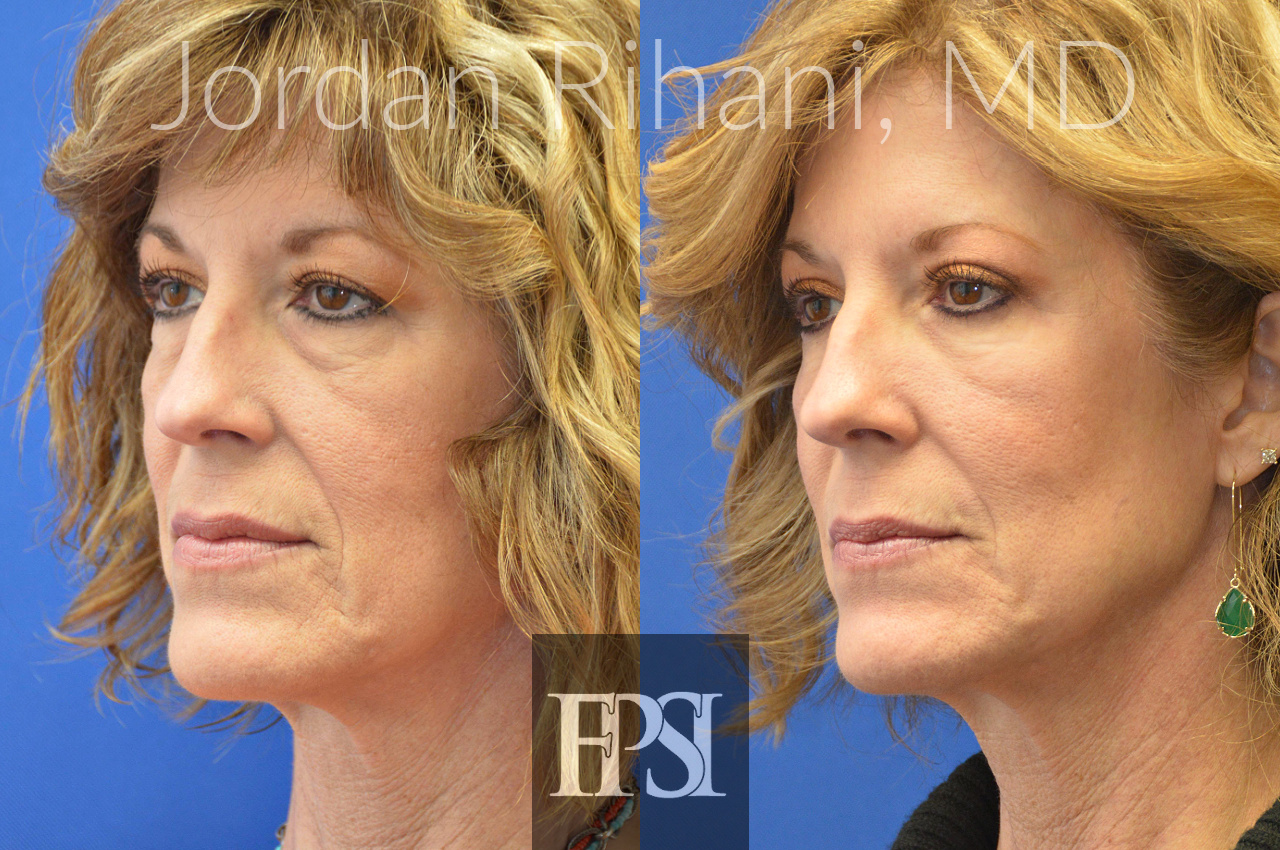
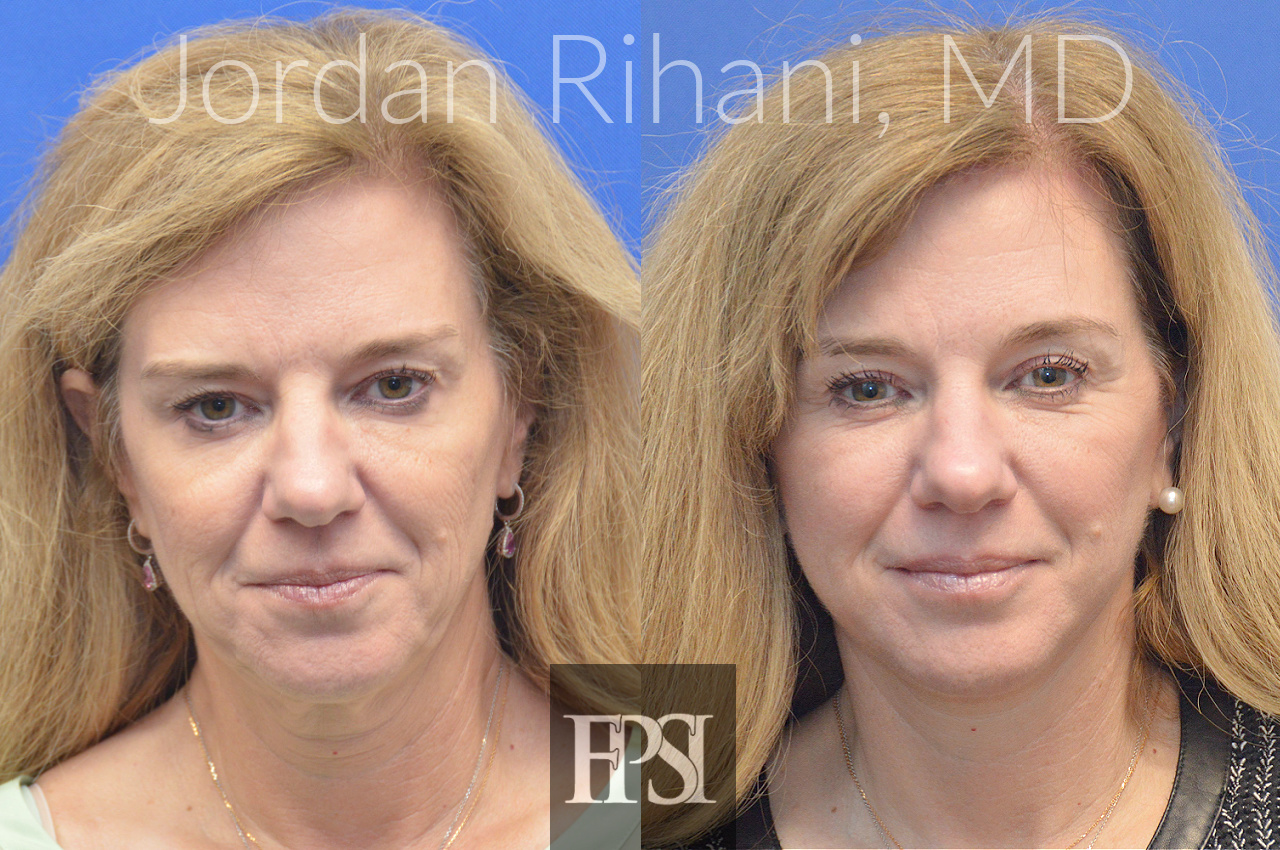
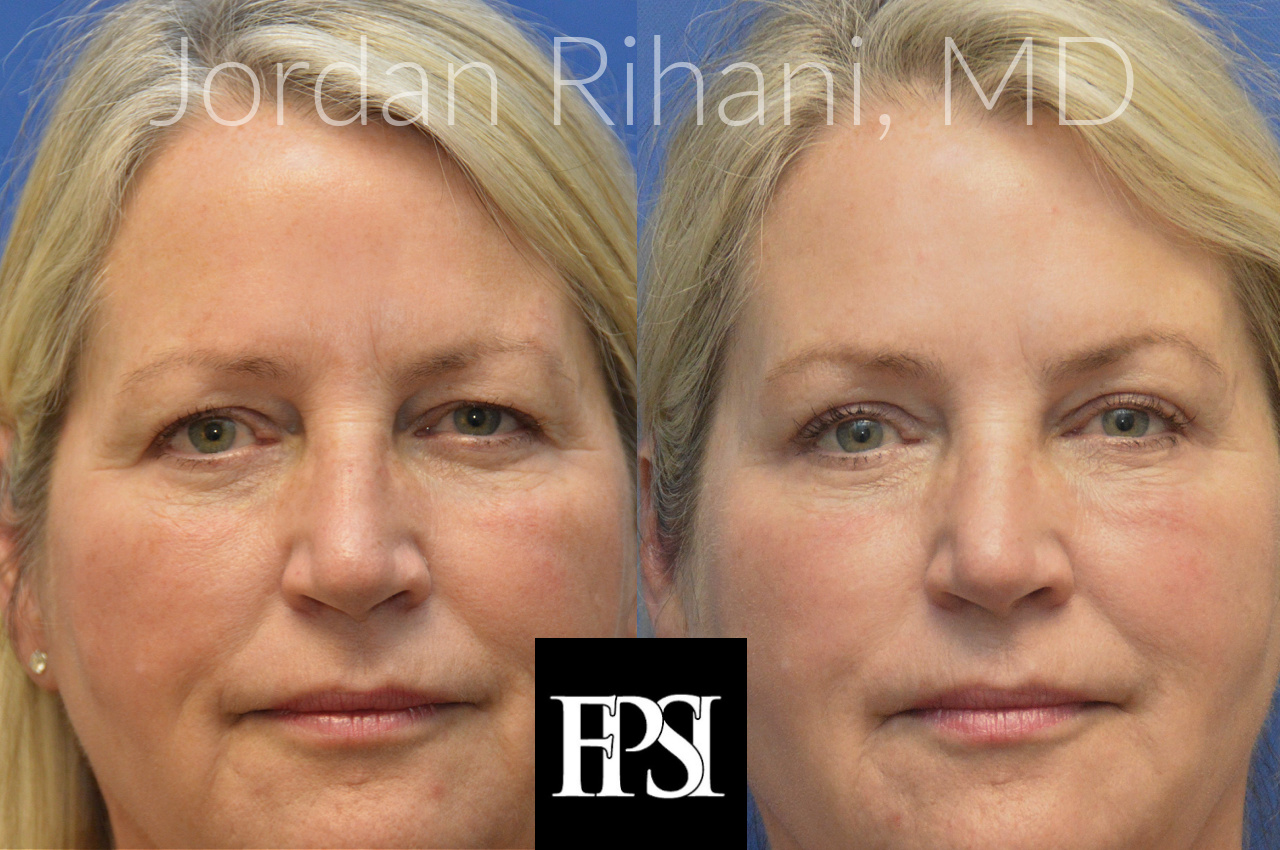
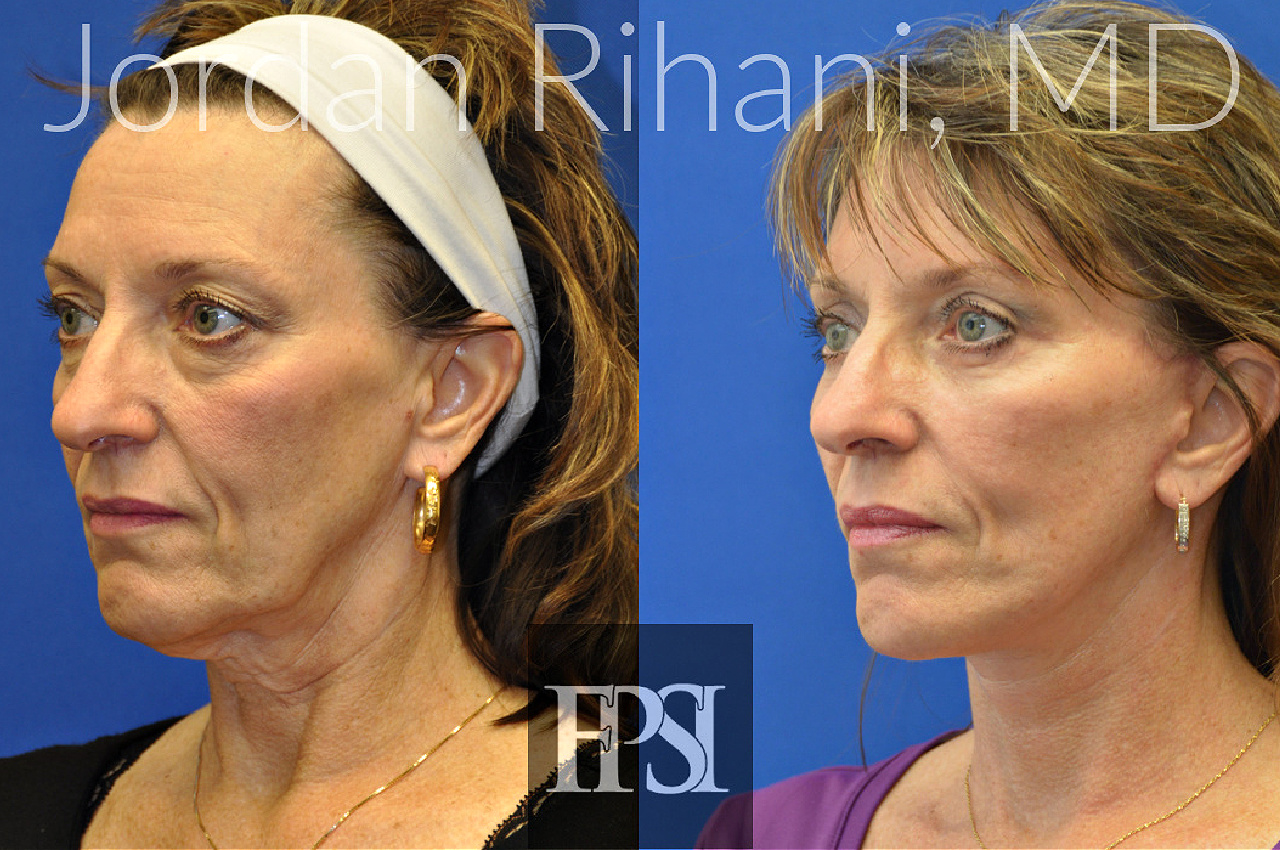
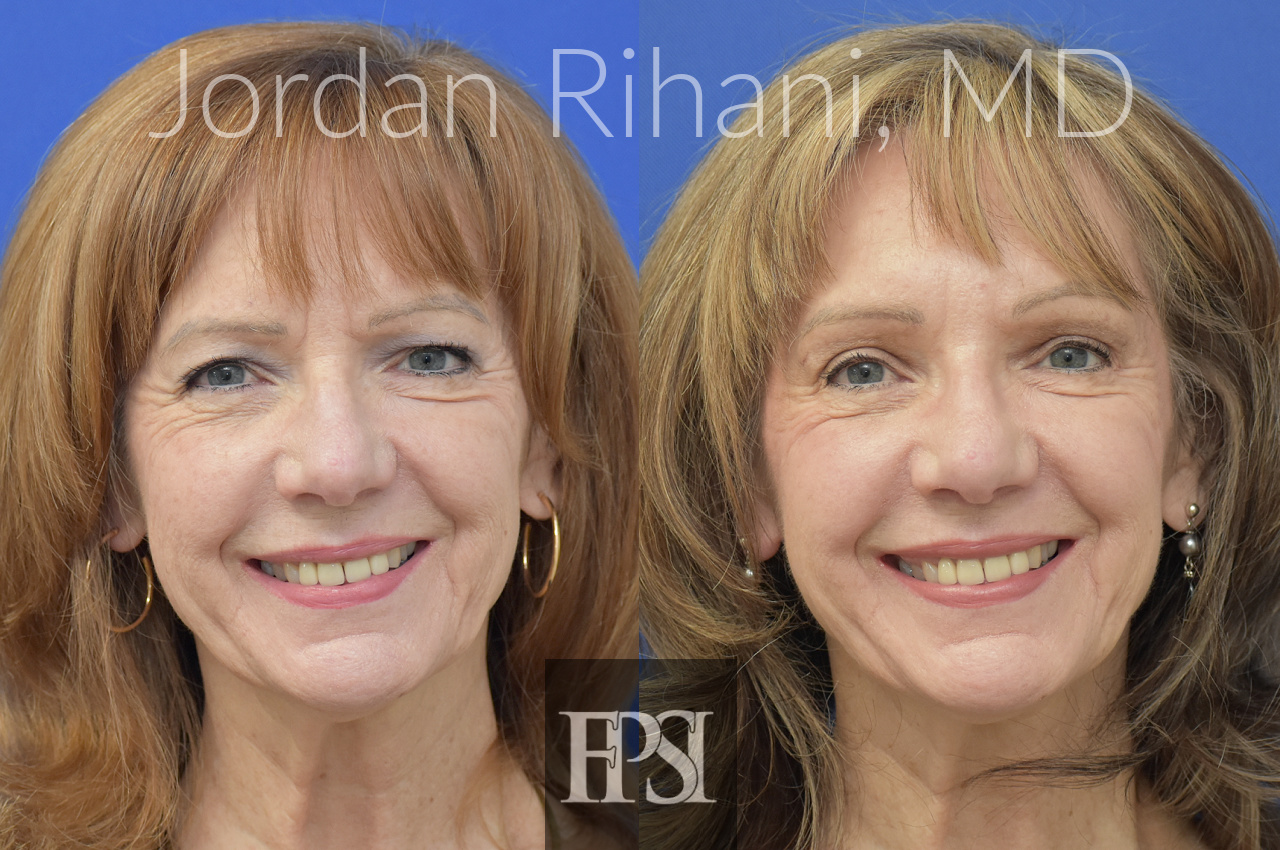
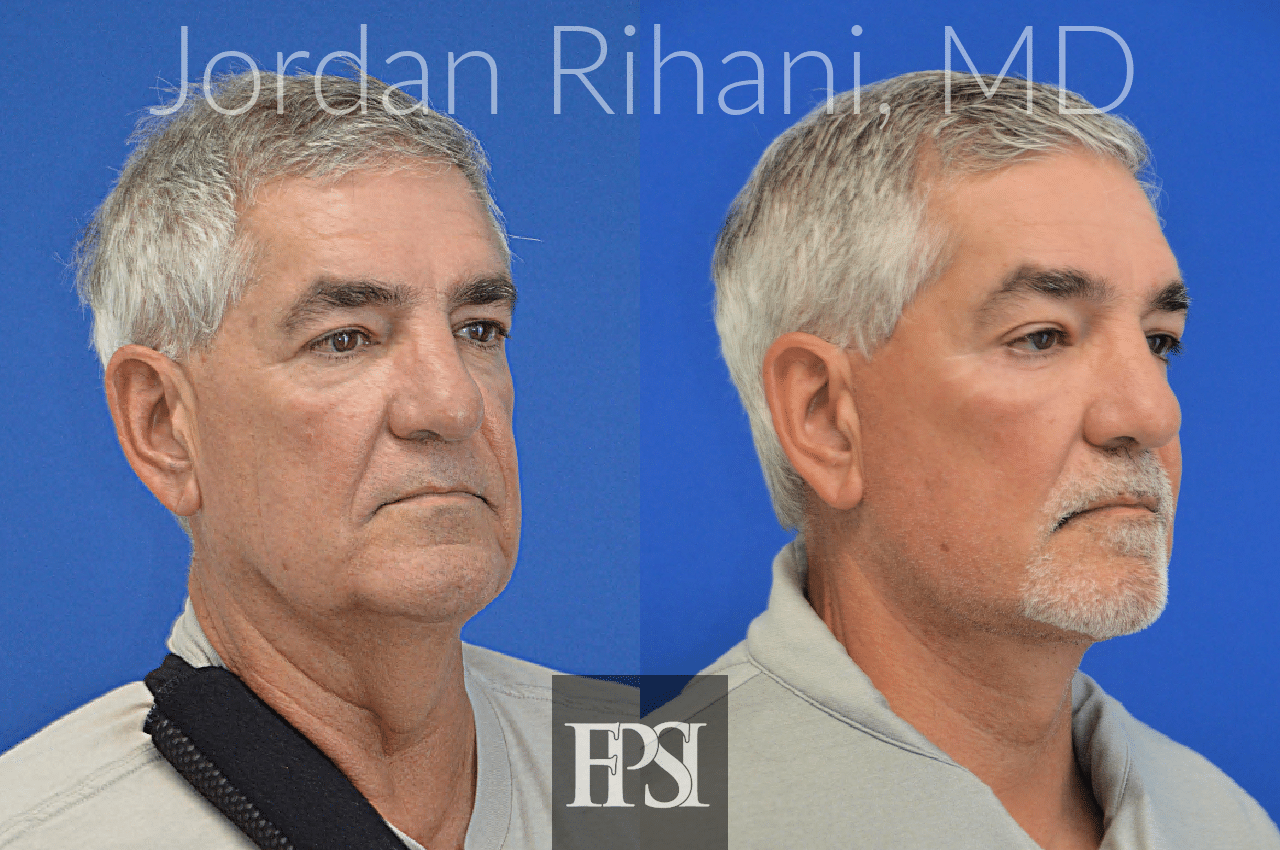
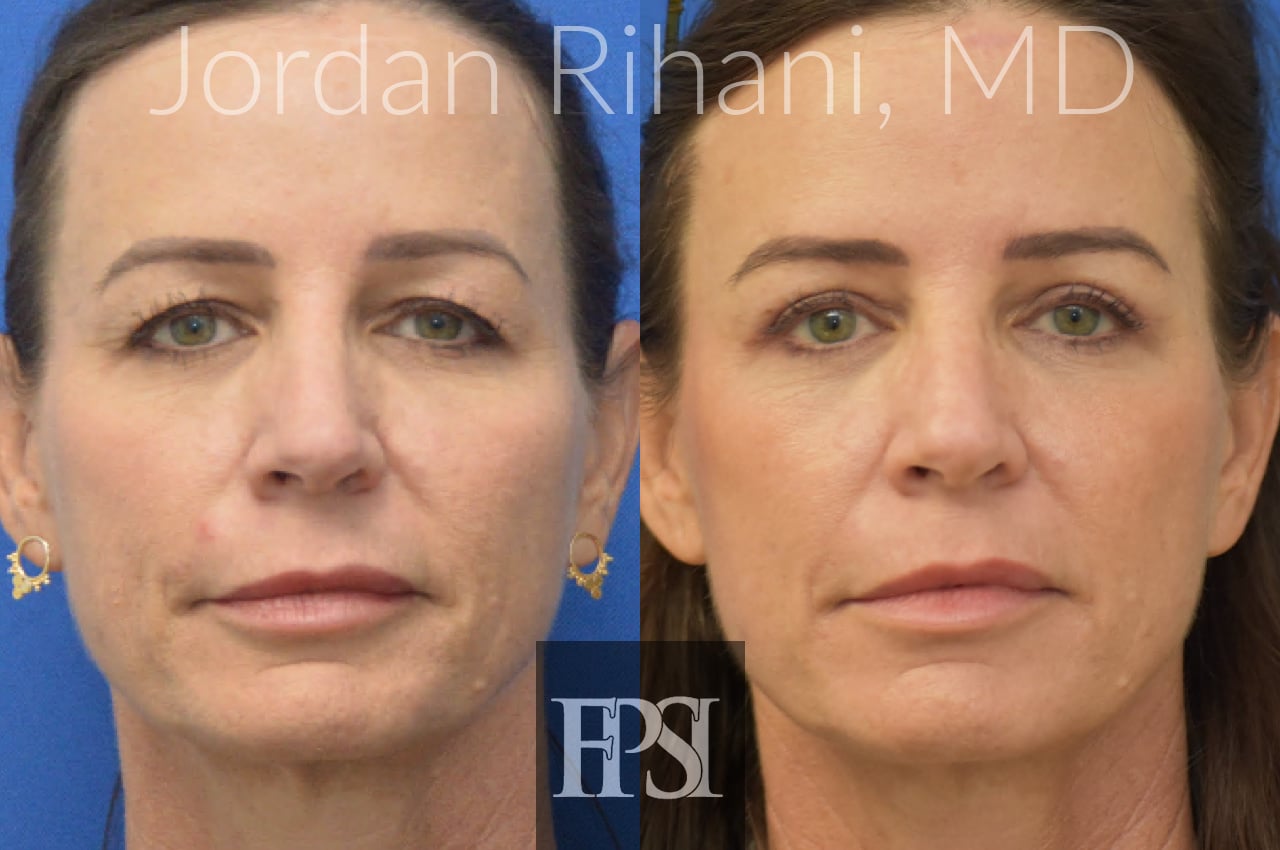
Facelift Before And After Photos: Real Patient Results
Talk is easy, but results speak for themselves. That’s why we don’t just tell you about what’s possible—we show you.
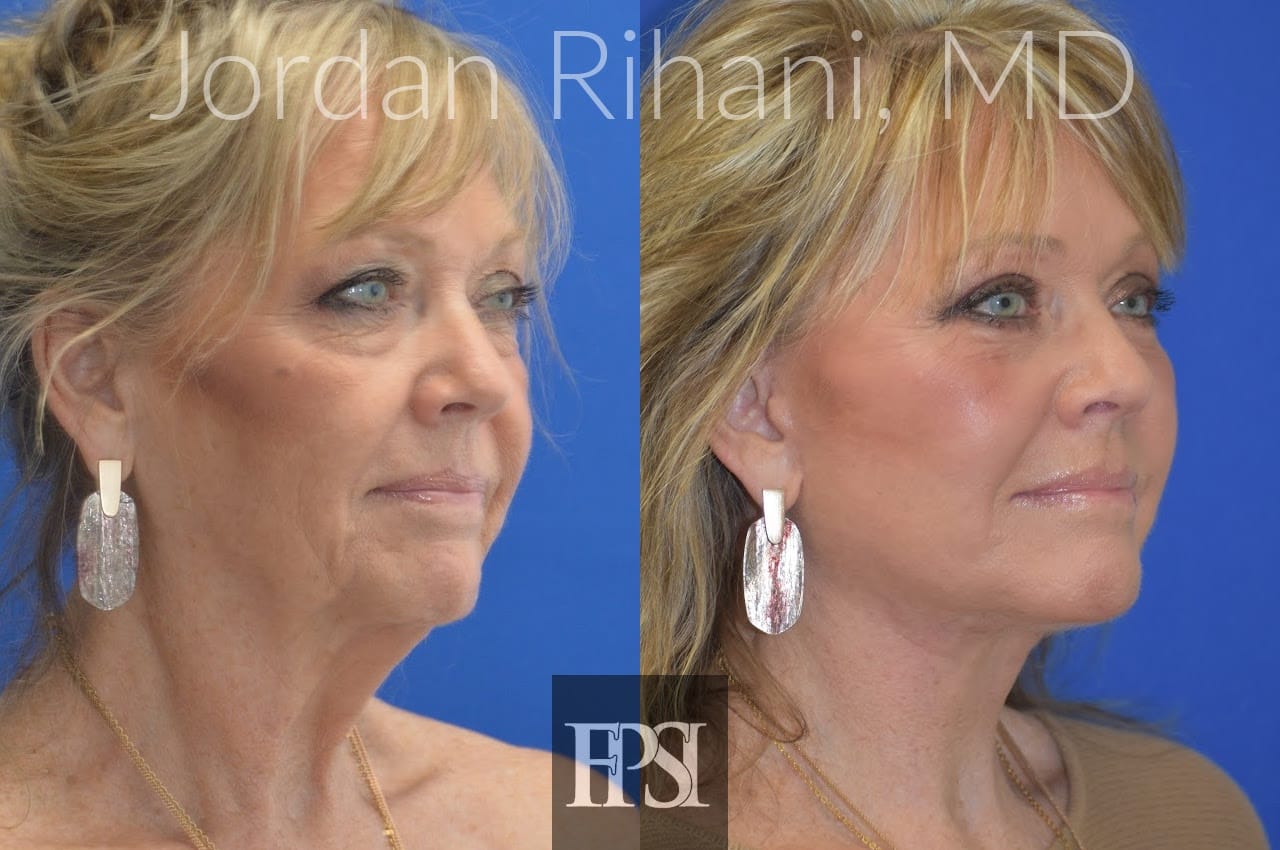
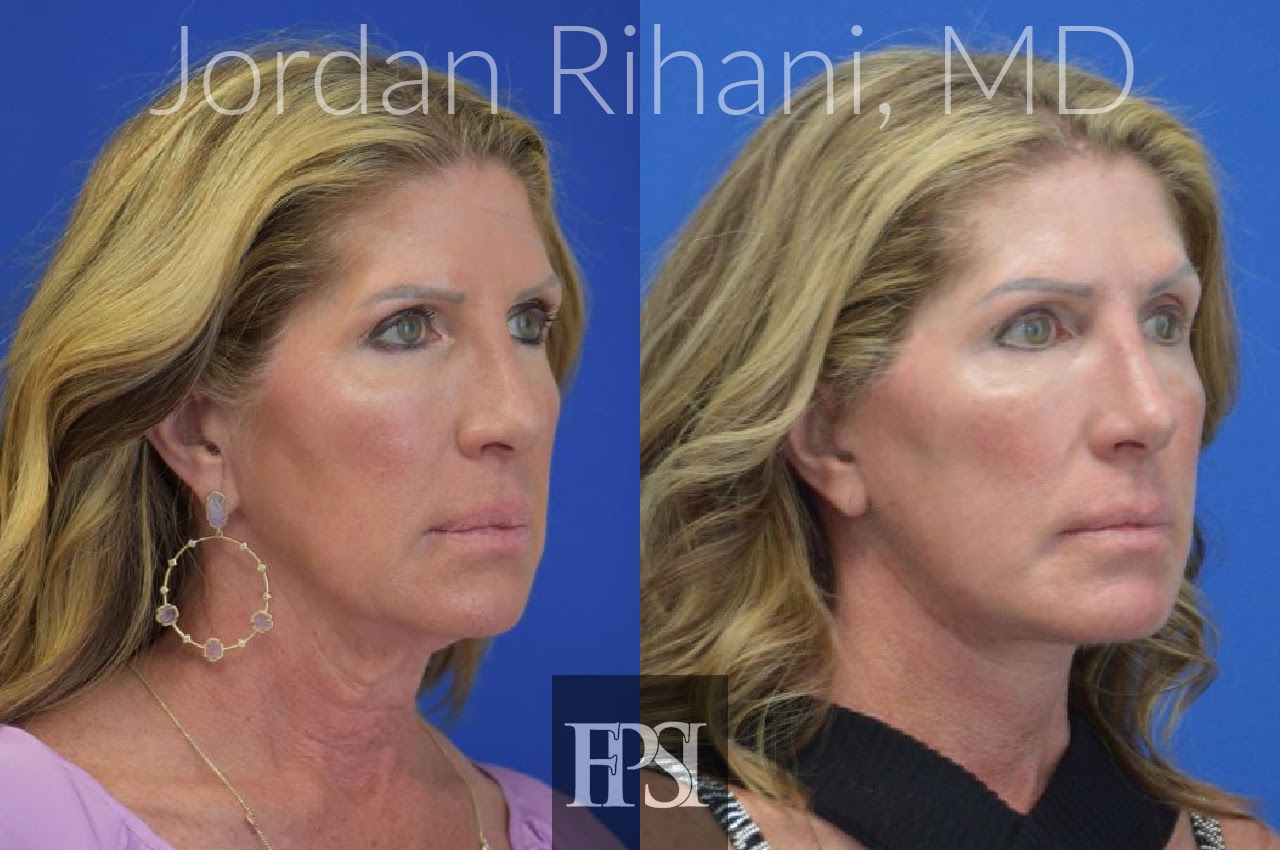
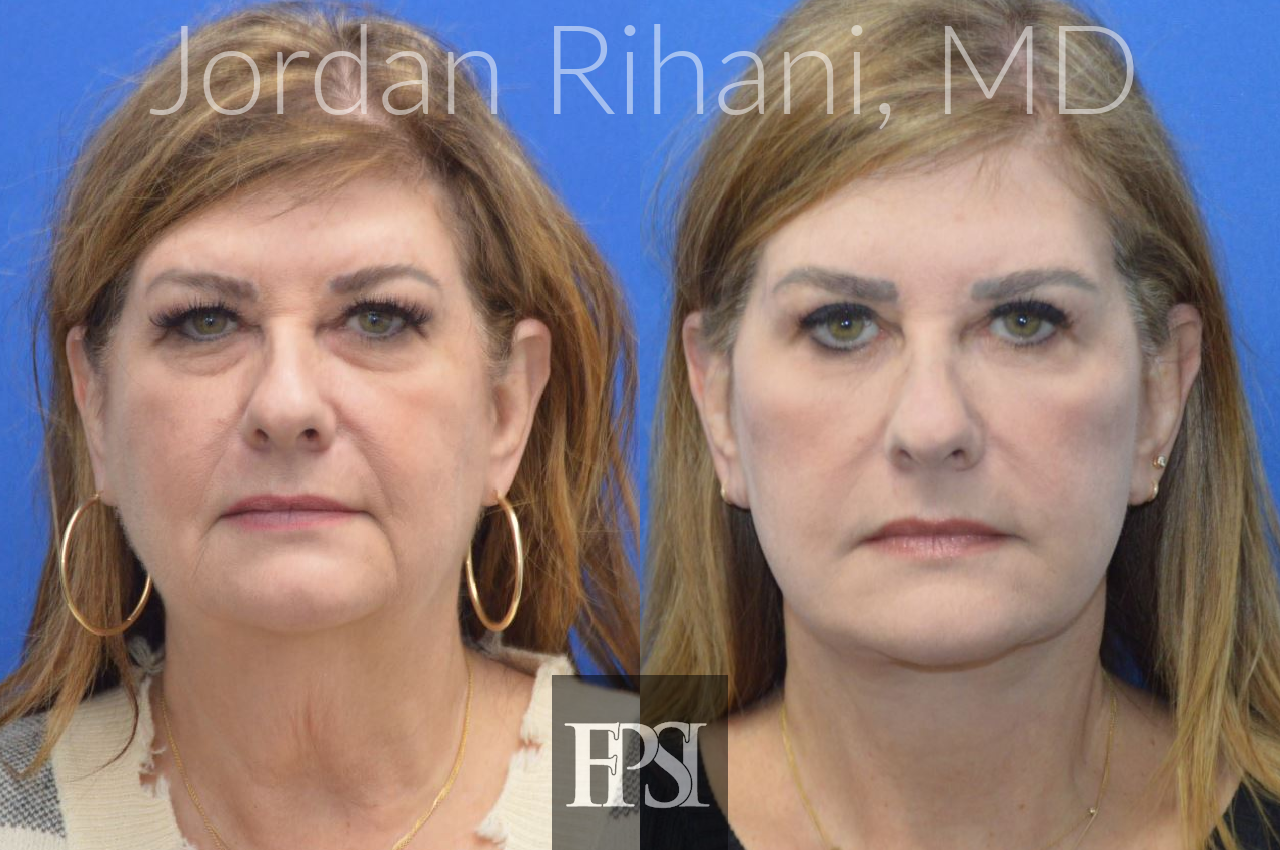
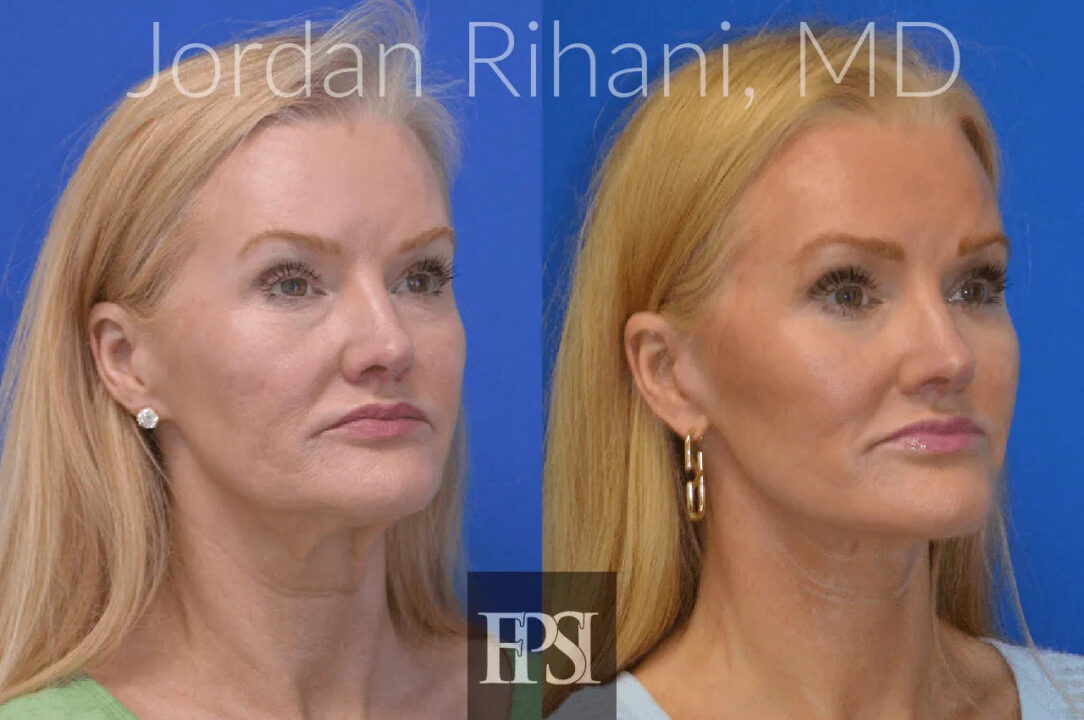
Our Before and After gallery features real Texans who chose a facelift and walked away looking naturally refreshed, not overdone. Their stories are proof that subtle changes can make a big difference.
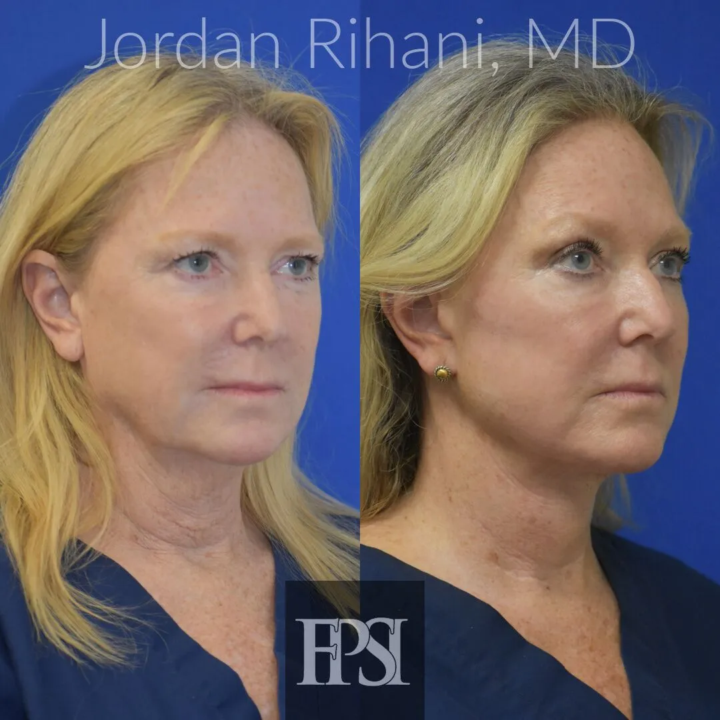
Our patients often share how their results gave them new confidence:
“I am so happy with the results of my facelift, neck lift, brow lift, and eyelid lift. I didn’t know exactly what to expect but recovery was easy. Very little pain and bruising. Dr. Rihani checked on me each night, which was comforting. I am so glad that I chose Dr. Rihani. The results are better than I could ever have imagined.”
Pati Rhodes
“I had a face and neck lift performed by Dr. Rihani. I had an amazing experience from start to finish. I never felt pressured into any decisions and was kept well informed throughout the whole process.
The supporting staff (Nicole, Shelly, Maggie) were friendly and treated me well. I am more than pleased with my results and would definitely recommend Dr. Rihani and his staff.”
Donna R.
How Do I Choose the Right Facelift Surgeon in Texas?
When you think about getting a facelift, it’s important to remember that you’re not simply paying for a procedure.
You’re investing in the years your surgeon has spent training, earning credentials, and perfecting the skills needed to deliver desired results.
Cost goes beyond the surgery itself. It also covers the peace of mind that comes with knowing your surgeon has the expertise, the right equipment, and a highly skilled team ready to handle every detail, both during and after your procedure.
Here’s a straightforward checklist to help you evaluate a plastic surgeon before making your decision:
- Verify credentials.
Check for board certification with the American Board of Facial Plastic and Reconstructive Surgery (ABFPRS).
The American Society of Plastic Surgeons (ASPS) also recommends looking for doctors who not only meet strict training, ethical, and facility standards but also perform procedures in accredited or state-licensed facilities.
This certification ensures your care takes place in a safe, well-regulated environment.Use the ABFPRS Physician Finder tool to verify credentials.Opt for surgeons with hospital privileges for the procedures they perform. Having these privileges means their skills, training, and commitment to patient safety have been carefully reviewed and approved by other medical professionals.
Dr. Jordan Rihani stands out as one of Texas’s leading facial plastic surgeons. He is a double board-certified surgeon and a Clinical Assistant Professor with training from the NYU (New York University) School of Medicine and the UT (University of Texas) Southwestern Medical Center.
- Check experience and expertise.
Dr. Rihani has been honored with multiple Top Doctor awards and brings extensive experience in all types of facelifts, ranging from mini lifts to advanced deep-plane techniques.As a Fort Worth native, he’s also well-regarded for his trusted local expertise. - Browse before-and-after photos.
When reviewing before-and-after photos, pay close attention to the details. Reliable before-and-after photos must show consistent conditions: the same lighting, camera distance, background, facial expression, and from multiple angles. They should also be taken only after the healing process is complete, so that you can see the true outcome.It’s easy to be misled by what you see on social media. Many of those photos are just quick selfies, edited with filters, or post-op shots taken when swelling is still present. While they might look impressive, they don’t give you an accurate picture of long-term results. - Read patient reviews and testimonials
Focus on testimonials that go beyond general praise. The most valuable testimonials share real experiences—how the procedure went, what the recovery and follow-up care were like, the surgeon’s bedside manner, and the kind of support they received from the staff.Patients turn to Dr. Rihani not only for his impressive credentials but also for his dedication to high-quality care. He involves patients in the decision-making process and takes the time to educate them, ensuring every option and every step is clear and understood.Schedule a consultation today and discover how Dr. Rihani can help you look refreshed and more youthful.
What to Expect During a Facelift Consultation
Every face tells its own story, and no two facelift journeys are the same. That’s why your consultation with Dr. Rihani begins with listening, rather than making assumptions.
He’ll want to hear what concerns you most, whether it’s sagging along the jawline, looseness in the neck, or simply looking more tired than you actually are.
The goal is always to understand what “natural results” mean specifically for you.
From there, Dr. Rihani performs a detailed evaluation of your facial structure, skin tone, and elasticity.
He may also suggest routine blood tests and carefully review any medications you’re taking, ensuring that nothing could interfere with your safety or recovery. This step is all about protecting your well-being and setting you up for the smoothest possible healing process.
Once he has a complete picture, you’ll receive clear, personalized recommendations.
Your treatment plan will outline the facelift technique best suited to your goals, explain whether additional procedures could enhance your results, and provide a realistic idea of what to expect during recovery.
You’ll also have an open, transparent discussion about costs, so there are no surprises, just confidence in the path ahead.
To help you visualize your results, you can review before-and-after photos of real patients.
By the end of your consultation, you’ll walk away with a clear, customized roadmap, not just to lift your face, but to restore your confidence with results that still look authentic to you.
Who Is a Good Candidate for a Facelift in Texas?
Deciding to get a facelift isn’t like choosing a new outfit. It’s deeply personal, and it may not be the right choice for everyone.
But if you’re sitting there wondering, “Is this the right step for me?” here are a few things worth considering:
- Facial Changes
Is your jawline starting to lose its definition, or is the skin under your chin feeling a little looser than it used to? Maybe deeper folds around your mouth make you look more tired than you actually feel.That’s precisely what a facelift does: lifting, reshaping, and defining your features without leaving you looking windblown or overdone. - Expectations
If you’re looking to turn back the clock a little without making a drastic change, you may be an excellent candidate for a facelift.When done well, a facelift doesn’t make you look like someone else. It simply refreshes your appearance while preserving your natural features.On the other hand, if you’re hoping to completely change your face or alter the features that make you unique, a facelift may not be the right option.A facelift is all about enhancing, not replacing, your natural beauty. - Gender-specific Considerations
Men and women experience different aging processes, but both eventually notice similar core changes over time: skin that loses elasticity, features that begin to sag, and the subtle pull of gravity around the face, brows, and lips.The difference lies not only in their facial structure—men typically have thicker skin and a squarer facial structure, while women often have a more oval-shaped face—but also in the “why” behind their decision to undergo a facelift. For many women, the decision is about looking younger, feeling rejuvenated, and restoring self-confidence. Men often share these goals, but their motivations can also be more situational.Some want to project and maintain a youthful, energetic appearance to stay competitive in the workplace, whether as executives, sales professionals, or business leaders. Others simply want their appearance to better match their lifestyle, such as men with younger partners who are tired of being mistaken for much older than they feel. - Overall Health
Before surgery, the priority is making sure you’re healthy enough to move forward safely. That’s why the process begins with bloodwork and a comprehensive pre-op evaluation. If everything checks out, you’ll be cleared to move forward. And if something does need attention, it’s best to identify concerns early for your safety.Regardless of the concerns you’d like to address, selecting a surgeon with the right expertise and philosophy is crucial. Dr. Rihani is a double board-certified, fellowship-trained facial plastic surgeon, honored with Top Doctor Awards and trusted as a Fort Worth native with local experience. His approach centers on collaboration, taking time to understand your goals, lifestyle, and comfort level before creating a plan that’s tailored specifically to you.With Dr. Rihani, candidacy isn’t about checking boxes, but about building a safe, natural plan that helps you look like yourself again.
What Is the Best Age to Get a Facelift?
People often ask, “What’s the right age for a facelift?” The honest answer is there isn’t one.
Everyone ages at their own pace. Some begin to notice sagging in their 40s, while others don’t see significant changes until their 50s or 60s.
It’s less about the number of candles on your birthday cake and more about what you see in the mirror.
If the changes you notice—like loose skin or deeper folds—bother you enough to want a lasting solution, that’s when it may be time to explore your options.
Factors such as genetics, skin quality, and the way your face naturally ages play a significantly larger role than age alone.
That’s why a personal consultation with Dr. Rihani is so valuable. He’ll take the time to evaluate your unique facial structure, listen to your goals, and provide you with honest guidance on what will (and won’t) yield the best results.
“The best age to get a facelift is difficult to say, and there’s no obvious timeline for this. But I will say that when you start to see signs of laxity, meaning you’re starting to see some droop of the skin under the chin, for example, you’re starting to see early jowling.
If you can lift that in the mirror and see a noticeable improvement, it might be suggestive that you’re a candidate ready for your surgery.
I would avoid waiting too long. Patients in their 70s, for example, they’re going to see more relaxation after their surgery than somebody who’s doing it a little bit younger.
Generally, most of our patients who really have the best results are probably in their early 50s.”
Dr. Jordan Rihani | Founder and Lead Surgeon, Facial Plastic Surgery Institute and Clinical Assistant Professor at UT Southwestern Medical Center
Why Consider a Male Facelift in Dallas?
Men consider facelifts for different reasons. Some look around the office and realize most of their coworkers are a decade younger, and decide it’s time to sharpen their look to keep up.
Others are dating or married to younger women and don’t want to be mistaken for their father at dinner.
And plenty of men reach a point in life where the kids are grown, the bills are covered, and for the first time, they have the means to finally address the changes they’ve been noticing in the mirror for years.
Dr. Rihani welcomes male patients seeking facelifts. He carefully tailors his techniques to preserve masculine features while achieving natural, refreshed results.
Many of his male patients share positive feedback—not only about his natural-looking results, but also about his expertise, attentiveness, and genuine care throughout the process.
[My 54-year-old husband and I] chose Dr. Rihani as the surgeon based on two important reasons. The first reason was his training. He initially trained as an Ear, Nose, and Throat Specialist.
We really felt that this additional knowledge and expertise were an important benefit. We felt that someone who knew all of the muscles of the face and neck was a far better choice.
The second reason was his attitude and demeanor. He was genuine, kind, and caring throughout the entire process.
Dr. Rihani went above and beyond in making sure our questions were answered, and my husband was comfortable.
The surgery went great. Minimal pain and absolutely no complications. Three months later, and my gorgeous husband looks 15 years younger. He really looks and feels fantastic.
From start to finish, the entire process was a very good experience. We don’t have enough praise for Dr. Rihani.
A review from Vitals (a reputable online platform that provides info about healthcare providers)
How Is Facelift Surgery Performed at Facial Plastic Surgery Institute?
At the Facial Plastic Surgery Institute, we believe you should never feel left in the dark.
You’ll be part of the process from start to finish. From your very first consultation through recovery, you’ll always know what to expect, so that you can move forward with clarity and confidence
Here’s a straightforward breakdown of what typically happens during a facelift:
- Mapping Out Your Surgery
Your facelift journey starts with a personal consultation with Dr. Rihani. During this visit, he’ll take the time to carefully evaluate your skin, bone structure, and how aging has naturally shaped your features. From there, he’ll create a treatment plan tailored specifically to you.His goal? To restore what time has taken away while protecting and enhancing the unique features that make you you. - Administering AnesthesiaBefore the operation begins, you’ll receive anesthesia to ensure you’re entirely comfortable. The type of anesthesia used will depend on your procedure and what’s safest and most appropriate for you.Dr. Rihani will explain the options in advance, so you’ll know exactly what to expect and feel at ease going into your operation.Here are the most common types of anesthesia you might receive for a facelift, each designed to keep you safe and comfortable:
General anesthesia: You’ll be fully asleep throughout the procedure, with your vitals carefully monitored the entire time.
IV sedation with local anesthesia: You’ll feel calm and relaxed, with only light awareness, while the surgical area is completely numbed.
Local anesthetic only: You’ll remain awake, but the treatment area will be thoroughly numbed, keeping you comfortable without pain.Dr. Rihani typically recommends general anesthesia, which allows you to sleep through the entire procedure while keeping your airway protected for maximum safety. - Hidden Incision
Dr. Rihani places incisions in areas where they’re hardest to spot, carefully hiding them along your natural lines:- Near the temples, hidden within the hairline
- Around the top of the ear and tucked beneath the earlobe
- Along the tragus (the small bump of cartilage in front of the ear)
By aligning with your natural contours, these incisions blend in so well that they’re difficult to notice. Although there may still be scarring, you can conceal it with a dab of makeup.
- Deep-Plane Facelift Technique
Dr. Rihani specializes in deep plane facelifts. This technique lifts and repositions the SMAS (the supportive layer beneath the skin that gives the face its shape and contour).Rather than just pulling the skin tight, he works from underneath to rebuild support where it’s needed. The result is a sharper, more defined jawline and lower face that looks natural, not stretched or windblown.If excess skin or fat is affecting your contours, he can also remove them, so your face looks balanced and refined, never distorted. - Closing the Incisions
After repositioning the facial tissues, Dr. Rihani closes the incisions with fine sutures and places a protective dressing over your face. This dressing is usually removed the next day during your follow-up visit.Dr. Rihani is a facial plastic surgeon with specialized training in both cosmetic and reconstructive surgery. His advanced understanding of facial anatomy, combined with the high volume of deep plane facelifts he performs each year, enables him to deliver results that are consistently precise and natural-looking.
How Long Does Facelift Surgery Take?
On average, a facelift procedure with our team usually takes three to six hours. The exact length can vary depending on the type of facelift being performed and whether it is combined with other cosmetic procedures for a more comprehensive result.
Here’s a general idea of how long each type of facelift typically takes:
| Facelift Type | Typical Surgery Duration |
| Mini facelift | 60 to 90 minutes |
| Traditional facelift (SMAS) | 3 to 6 hours |
| Deep-plane facelift | 3 to 6 hours |
At the Facial Plastic Surgery Institute, facelift surgery is performed on an outpatient basis.
You return home the same day, wearing a supportive compression garment. Return the following day for dressing changes, then continue your recovery comfortably at home with detailed instructions from our team.
What Should I Expect on the Day of My Facelift Surgery?
When you schedule a facelift with Dr. Rihani, your preparation begins long before the actual day of surgery. His goal is to set you up for the safest experience and the smoothest recovery possible.
Here’s how he sets you up for success:
- Initial Consultation: Dr. Rihani reviews your health history, examines your facial structure, and listens to your goals. He’ll recommend the facelift approach that best fits your needs.
- Medical Clearance: In some cases, blood work or clearance from your primary doctor may be needed to confirm you’re healthy enough for surgery.
- Pre-surgery adjustments: You’ll be asked to stop certain medications, avoid smoking, and cut back on alcohol, as all of these can negatively impact recovery.
- Clear Instructions: You’ll leave with detailed guidelines covering diet, skincare, and day-of logistics. Following post-op guidelines can help protect your results and reduce the risk of complications.
It’s also essential to have someone by your side during the first few days after surgery. They can help with daily tasks and give you the peace of mind to focus fully on healing.
By taking these steps, you’re giving yourself the best chance at a smooth recovery and beautiful, lasting results.
Procedures are performed in the Dallas–Fort Worth area (at our Southlake or Fort Worth office), ensuring convenience. Here’s how it usually works:
- Anesthesia: A certified anesthesiologist ensures your comfort and safety, whether through deep sedation or general anesthesia.
- The Procedure: Dr. Rihani makes carefully placed incisions (hidden around the ear or hairline) and repositions underlying tissues to restore a youthful, natural look.
- Recovery Room: Nurses monitor your vital signs, keep you comfortable, and prepare you to head home on the same day.
In the days immediately after surgery, the focus is on rest and healing.
- Dressings: Bandages or compression wraps help minimize swelling and protect incisions.
- Pain Management: Prescription medication is typically used initially, with most patients transitioning to over-the-counter options, such as TYLENOL®, within a few days.
- Swelling and Bruising: Both are normal in the first few weeks. Keeping your head elevated helps reduce discomfort and helps your body recover more quickly.
- Follow-Up: You’ll see Dr. Rihani for a follow-up checkup, possible suture removal, and guidance on activity restrictions.
What Is Recovery Like After a Texas Facelift?
Most patients find facelift recovery to be manageable, especially with an experienced facial plastic surgeon like Dr. Rihani guiding their care.
That said, recovery looks different for everyone. Some heal faster, while others may need a little more time.
Understanding what usually happens after surgery can help you feel prepared and set realistic expectations.
Here’s a general overview of what recovery involves:
Day One
For the first 24 hours after surgery, you’ll wear a head wrap and have two small drains in place to help minimize swelling.
It’s completely normal to feel some tightness that first night, but any discomfort is usually well-managed with prescribed pain medication.
Many patients also find they sleep more comfortably with their head slightly elevated.
By the next day, the wrap and drains are removed. You’ll also be cleared to take a shower, marking the true beginning of your recovery journey.
First Three Days
Swelling typically increases during the first few days, peaking around day three before slowly improving. Some tightness may linger, but most patients report little to no significant pain or discomfort.
One Week After Surgery
Sutures are typically removed about one week after surgery. By then, most bruising has already started to fade. You may still notice some purple areas, but many bruises will be turning green or yellow (both typical signs of healing).
Two Weeks After Surgery
After two weeks, most bruising has faded. Around 80% of patients recover quickly, but if you tend to bruise easily, some discoloration may linger for another week or two.
Swelling begins to ease around this point. Gentle lymphatic massage may help your body clear fluid more efficiently, giving your healing an extra boost.
Around this time, many patients are cleared to drive again. Dr. Rihani will carefully assess your progress and make sure you’re truly ready before you get back behind the wheel.
Four to Six Weeks After Surgery
At this stage, you’ll likely notice the swelling going down a little more day by day—a reassuring sign that your body is healing.
Many patients still prefer to sleep with their head slightly elevated for comfort, and gentle lymphatic massage can help ease any remaining puffiness.
Light activity is usually fine, but it’s essential to avoid anything that causes quick head movements (like tennis or golf) or neck strain (such as heavy lifting). These activities can place stress on healing incisions and slow your recovery.
Two Months After Surgery
By about two months after surgery, most patients can resume strenuous activities such as weightlifting, running, tennis, and golf.
While your incisions may still show slight redness, they’ll be fully healed by this point.
You may notice a slight lingering swelling (approximately 10%), but overall, you’ll look and feel like yourself again, with a refreshed, more youthful appearance.
At the Facial Plastic Surgery Institute, you won’t go through recovery alone. Our team, experienced in both surgical and nonsurgical facial rejuvenation, will be there to guide and support you at every stage, making sure you feel confident and cared for as you enjoy your results.
How Long Is the Recovery Time for a Facelift?
Most patients plan to be away from work for about two weeks after a facelift.
If you work remotely, you can get back online after a week with the camera off, wearing casual clothes, and no one the wiser.
For roles that require in-person interaction, such as teaching, real estate, or sales, it’s often best to allow closer to three weeks.
Bruising doesn’t always fade on schedule, and you’ll want to return looking refreshed, not still in recovery.
What Should I Do to Prepare for Facelift Recovery?
Getting the most out of your facelift consultation begins with arriving prepared.
Dr. Jordan Rihani creates every treatment plan with safety and precision. Still, the more openly you share, the better he can tailor your care.
Here’s how you can set yourself up for a smooth, productive visit:
- During your consultation, Dr. Rihani takes a thorough approach to your care. He’ll review your medical history, conduct a physical examination, and ensure your expectations align with what surgery can actually deliver.
Let Dr. Rihani know if:
a. You’re pregnant or think you might be.
b. You’re currently taking any medications, supplements, or herbal products, even over-the-counter ones. - Complete any required lab work. Pre-surgical tests, such as a blood count, may be required to confirm you’re healthy and cleared for surgery.
- Dr. Rihani will provide you with a clear list of medications and supplements to stop taking before surgery, especially anti-inflammatory drugs like ibuprofen and aspirin, since they can increase your risk of bleeding.
Best advice? Follow his instructions to the letter. - During your consultation, expect a detailed evaluation of your facial features, skin quality, bone structure, and fat distribution.
We’ll also take photographs from multiple angles to assist with surgical planning. - The night before your facelift, give yourself some extra care by washing your hair and cleansing your body thoroughly with antibacterial soap.
- In the days leading up to your surgery, stay well-hydrated, aiming for at least 60 ounces of water daily.
Good hydration helps your body tolerate anesthesia and supports a smoother recovery. - If you smoke, stop at least two weeks before the procedure and remain smoke-free for at least two weeks afterward. Smoking slows healing and can affect your results.
- On the day of your procedure, plan by arranging for a trusted family member or friend to drive you to and from surgery. It’s also essential to have them stay with you for the first night.
You’ll have several opportunities to meet with Dr. Rihani before surgery, including a dedicated consultation visit.
This is the perfect time to ask about the procedure, recovery, risks, or costs, so you feel fully informed and confident moving forward.
What Should I Expect From My Facelift Results?
Every facelift patient has their own vision of what “looking their best” means. For some, it’s a subtle refresh, like a firmer jawline, smoother skin, or simply looking more well-rested and energized.
For others, it’s about a more noticeable transformation, the kind that makes friends and family take a second look and wonder if you’ve discovered the secret to turning back time.
With Dr. Rihani, the goal is always the same: deliver lasting, natural-looking results. His advanced facelift techniques restore balance and harmony, allowing changes to blend seamlessly with your natural features.
The outcome isn’t pulled, frozen, or “plastic.” It’s you, only sharper, younger, and more refreshed.
Because every face is unique, setting realistic expectations is essential to the process. During your consultation, Dr. Rihani will assess your health, your goals, and what’s achievable for you.
If something looks unnatural or pushes your results too far, he’ll be upfront and honest. His goal is always to guide you toward outcomes that feel authentic, balanced, and true to you.
Follow-up visits are also built into your care, ensuring your healing stays on track, your questions are answered, and your results settle exactly as they should.
“[I] had a facelift with Dr. Rihani: WOW…Love it…Impressive. Dr. Rihani is the best facial surgeon in Fort Worth and DFW.
I did years of research to find the best doctor for a facelift, and I did! I asked for a natural look and got just that: a younger, softer me. However, his surgical skills and gift are not the only impressive qualities about Dr. Rihani.
He and his office are a class act all around: Dr. Rihani does not rush you if you are not ready to go forward. He takes time to answer all questions in great detail.
He further has a phenomenal follow-up and makes each and every patient his priority. In summary, the care one receives at his office is nothing short of world-class. Thank you, Dr. Rihani, Maggie, and Rose!
Lilisjca (username) | RealSelf, an online review platform
Check out our Testimonials page and Before and After gallery to see what you can expect from our facelift procedures.
How Long Do Facelift Results Last?
The longevity of facelift results largely depends on the technique used. A facelift isn’t just one operation but a set of procedures, each with different methods and outcomes.
Techniques focusing on the SMAS (Superficial Musculoaponeurotic System), such as the deep plane facelift, achieve longer-lasting, more natural improvements by fully releasing and repositioning this foundational layer.
In contrast, approaches that rely only on sutures or limited SMAS release tend to produce results that don’t hold up as long.
What Are the Risks and Safety Considerations of a Facelift?
Regaining the natural tone and vitality in your skin is an exciting part of facelift surgery. Still, like any surgical procedure, it does come with a few side effects you’ll want to know about.
The most common are swelling and bruising around the incision areas, typically the cheeks, forehead, and neck. The good news is that these postoperative changes usually fade within a few weeks.
Less common, but more significant, complications can also occur after a facelift, such as:
- Skin discoloration, or scarring
- Anesthesia-related issues
- Facial nerve injury or changes in sensation
- Delayed healing or infection
- Hair loss near incisions
- Hematoma (pooled blood near a recent incision site)
At the Facial Plastic Surgery Institute, your safety and comfort are always the top priorities. Every procedure is performed with the highest safety standards in place to minimize risks and give you peace of mind.
As a double board-certified facial plastic surgeon with advanced training in facelift surgery, Dr. Rihani operates in fully equipped offices designed to keep you safe while making the experience as comfortable as possible.
One of the most common concerns patients bring up is scarring. To keep scars as discreet as possible, Dr. Rihani places incisions in hidden areas, along the hairline, behind the ear, or within natural creases, so they’re barely noticeable once healed.
Board-certified professionals administer your anesthesia in a fully monitored surgical setting, ensuring your safety and comfort throughout the procedure.
By using advanced deep-plane techniques, Dr. Rihani avoids overstretching the skin, which reduces tension on the incisions and allows scars to heal and fade more smoothly over time.
Can You Combine a Facelift Surgery With Other Procedures?
A facelift can refine loose skin, define the jawline, and take years off your appearance.
But aging doesn’t happen in just one spot. It touches different areas of the face in various ways.
That’s why a facelift on its own may not address all the changes you’ve noticed. The good news is that you’re not limited to one option.
At the Facial Plastic Surgery Institute, many patients combine their facelift with other treatments to achieve balanced and natural-looking results.
It’s not about doing “more” for the sake of it but about making sure all the features work together. This way, your results look seamless and refreshed, never patchy or pieced together.
Here are additional procedures and treatments to consider when planning to undergo a facelift surgery:
- Eyelid lift (blepharoplasty): Removes extra skin, fat, and muscle from the upper and lower lids
- Brow lift ( forehead lift ): Smoothens forehead wrinkles and softens frown lines
- Neck lift: Reduces or eliminates signs of aging on the neck, including wattles and platysmal bands (vertical neck lines)
- BOTOX®: Softens dynamic wrinkles, including frown lines between the brows and crow’s feet (fine lines at the corners of the eyes).
- Chemical peels: Reduce wrinkles, skin discoloration, and visible scars
- Laser resurfacing: Addresses wrinkles, fine lines, and skin discoloration
- Fat grafting: Corrects volume loss in facial areas, such as the cheeks, jawline, chin, temples, and the middle face
- Microneedling: Improves wrinkles, fine lines, acne scars, and overall skin texture.
Some patients go beyond a facelift and choose to add other procedures for more complete, overall results, such as: - Rhinoplasty (nose job): Reshapes or resizes the nose, and in many cases, corrects breathing or functional issues
- “Mommy makeover”: Combines procedures like liposuction, breast augmentation, and tummy tuck surgery to rejuvenate both the face and body at the same time.
Do you wonder whether combining procedures might give you the best overall outcome?
During your consultation, Dr. Rihani will review your options and help you decide what makes the most sense for your goals.
Schedule a consultation today by calling (817) 328-8380 or filling out our online contact form.
How Much Does a Facelift Cost in Texas?
Facelift costs in Texas vary based on several factors, including the type of facelift, the surgeon’s experience, the surgical facility, and anesthesia fees.
On average, patients in Texas can expect to pay between $25,000 and $50,000 for a facelift with a board-certified facial plastic surgeon. Note that this price range does not usually include anesthesia or OR fees.
Some practices market “20-minute facelifts” at lower prices. These quick treatments usually involve minor skin tightening or thread lifts.
Still, they don’t deliver the depth, longevity, or natural results of a genuine surgical facelift.
A comprehensive facelift with Dr. Rihani goes beyond the surface. He addresses the deeper layers of the face and neck for balanced, long-lasting improvements that look natural and stand the test of time.
At the Facial Plastic Surgery Institute, we offer flexible financing options that let you move forward with confidence without compromising safety or quality.
Since every face is unique, pricing is never one-size-fits-all. Dr. Rihani will carefully customize the surgical plan to meet your goals and needs.
During your consultation, Dr. Rihani will review your concerns, explain costs in detail, and create a tailored surgical plan.
When it comes to something as personal as your face, choosing an experienced, double board-certified surgeon means more than just achieving natural results. It also gives you the peace of mind that you’re in trusted, expert hands.
What Should I Know About Paying for a Facelift?
At the Facial Plastic Surgery Institute, we believe that feeling confident in your own skin should be accessible to everyone.
That’s why we partner with trusted providers like CareCredit to offer flexible payment options that make treatment more manageable.
Getting started is simple: You can set up an account on the CareCredit website in just a few minutes, either from home or right here in our office.
And if cost is weighing on your mind, know that you’re not alone. Many patients share the same concerns.
Our team will guide you through the financing options and help you find a plan that fits your budget without added stress.
- Financing and payment options
You can finance cosmetic surgery through third-party medical credit accounts, such as CareCredit. You can use these accounts to cover surgical fees, anesthesia, and facility costs.CareCredit offers flexible payment plans to make treatment easier to manage. With No Interest if Paid in Full options over 6, 12, 18, or 24 months, you can move forward with your procedure now and spread the cost over time. Interest begins accruing from the purchase date. Still, it’s waived if the balance is paid off within the promotional period.
- Choose a category here and click “Apply.”
- Type in the requested information.
- Verify if you prequalify.
- If you receive an offer, complete your application in the same browser session.
If you’re unsure about eligibility, our team can guide you through the qualification process.
- Insurance Coverage
Like most elective cosmetic procedures, facelifts are typically not covered by health insurance.That said, there are rare exceptions. If the facelift is part of a reconstructive case, such as correcting facial trauma, a congenital condition, or complications from prior surgery, insurance may cover part or all of the cost.With Dr. Rihani’s extensive background in facial reconstructive surgery, you can feel confident knowing he has the expertise to manage even the most complex situations. And you won’t have to navigate the insurance process alone. Our team will be here to guide you, support you, and help you explore any coverage options that may be available.
Facelift Quick Facts: What Is a Facelift?
Not sure where to start your facelift journey? Having the basics laid out clearly makes the whole process much easier.
From what it costs and how long recovery takes, to the different facelift options and the results you can expect, here’s your quick guide before we dive into the details:
|
A facelift is a surgical procedure that helps turn back the clock on visible signs of aging, like sagging skin, jowls, and facial laxity.
It’s a practical option for patients who want to rejuvenate the lower face by lifting away droopiness and softening deep lines.
That said, every face ages differently, which is why Dr. Rihani offers a range of facelift techniques and procedures tailored to your anatomy, goals, and stage of aging:
- Deep Plane Facelift: A specialized technique treats facial aging, neck changes, double chin, neck wattle, and jowling.
- Mid-Face Lift: Improves cheek sagging, tear trough deformity, cheek hollowing, and sagging of lower eyelid tissues.
- Limited Incision (Mini) Facelift: Uses shorter incisions near the ear or hairline to reduce scarring and downtime.
- Lower Facelift: Improves the appearance of the jawline and the jowl area.
When it comes to facelifts, not all techniques are alike.
Many traditional methods focus only on tightening the skin or using sutures to pull the SMAS layer. While this can create some improvement, it often doesn’t fully address the more profound issues that come with age, particularly around the nasolabial folds and midface.
That’s why Dr. Rihani often recommends the deep plane facelift.
The deep plane method lifts and repositions the sagging fat pads, restoring them to their natural position for a more youthful, long-lasting result.
At the Facial Plastic Surgery Institute, we offer patients some of the most advanced facelift techniques available today:
- Composite Facelift Innovation
Dr. Rihani is a leader in the composite facelift, an advanced evolution of the deep plane facelift.
This approach lifts not only the skin but also repositions fat pads and deeper facial layers.
The result is a refreshed, youthful appearance without the tight or “pulled” look that traditional facelifts can sometimes create.
Incisions are placed discreetly near the hairline or behind the ear, keeping scars minimal and well-hidden. - The “Lift-Up” Approach
Rather than pulling tissues backward, Dr. Rihani’s method lifts them upward, which mirrors the way the face naturally ages.
This upward movement restores smoother contours, a balanced profile, and a youthful expression that feels authentic. - Comprehensive Options for Facial Rejuvenation
Because Dr. Rihani and his team focus exclusively on facial procedures, facelift patients have access to a complete range of treatments, including: - Neck lifts
- Eyelid surgery (blepharoplasty, or eyelid rejuvenation)
- Facial fat grafting
- Facial resurfacing treatments
With dual training in Otolaryngology (ear, nose, and throat surgery) and Facial Plastic and Reconstructive Surgery, Dr. Rihani brings an advanced understanding of facial anatomy, ensuring safe, precise results.
How Does a Facelift Improve Your Appearance?
While facelift techniques vary, the concept is straightforward: the facial tissues are repositioned to their more youthful position, and excess skin is removed when necessary.
Earlier methods focused mainly on tightening or removing skin. Still, modern approaches target the SMAS (Superficial Musculoaponeurotic System), the supportive layer of muscle and fat beneath the skin.
The SMAS contains many of the fat pads responsible for features like nasolabial folds, marionette lines, and jowls.
By repositioning this deeper layer, surgeons can create longer-lasting and more dramatic improvements compared to techniques that only remove extra skin.
But the benefits often go beyond what you see in the mirror.
Many patients share that after surgery, they walk into work with more confidence, feel more energetic at social gatherings, and finally feel comfortable in their own skin. As one of our patients put it:
“My experience with this [doctor] went above and beyond what I was expecting. He was thorough and spent more than adequate time with me at each visit.
I would recommend Dr. Rihani to anyone. I am beyond thrilled with my results. It has given me confidence in my work. I am no longer self-conscious about my appearance!”
Becky Turner
The best way to understand what a facelift can really achieve is to see the proof for yourself.
Explore our Before and After gallery to see how Dr. Rihani’s patient-centered approach combines advanced techniques with personalized care to deliver outcomes that look refreshed, never fake or overdone.
What Types of Facelifts Are Available in Texas?
Not all facelifts are the same, and in Texas, you’ve got options. From lighter-touch mini lifts to full-on deep plane work, Dr. Rihani offers the full range:
| Type of Facelift | Ideal For | Expected Results |
| Full Facelift (using deep-plane technique) |
|
Repositioned and restored facial muscles from the eye area down to the chin |
| Mini Facelift |
|
Tightened lower face, from the cheekbones down to the jowls |
| Mid-Facelift |
|
Fuller, elevated cheeks |
| Lower Facelift (using deep plane technique) |
|
|
| Neck Lift |
|
Sharper neckline with a firmer, more youthful profile |
With advanced fellowship training and double board certification in Facial Plastic and Reconstructive Surgery and in Otolaryngology-Head and Neck Surgery, Dr. Jordan Rihani brings a high level of expertise to every procedure.
He’s skilled in the full range of facelift techniques, from subtle mini lifts to advanced deep plane approaches. His experience allows him to match the proper procedure to your unique anatomy, aging pattern, and goals.
What Is a Mini Facelift?
A “mini facelift” isn’t an official surgical technique. It’s more of a catch-all term.
Most of the time, it refers to a facelift procedure with smaller incisions and shorter downtime, and it’s often marketed to younger patients who are just starting to see early signs of sagging.
Think of it like fixing a fence post before the whole fence starts to lean.
But don’t let the word mini mislead you. It doesn’t describe how the surgery is done, but how much is addressed.
In fact, surgeons rarely use the term with one another because it’s so vague.
So if a surgeon is recommending a “mini facelift,” it’s essential to ask the right questions to make sure you fully understand what’s included and what kind of results you can realistically expect.
You can ask questions like:
- What exact technique will be used?
- Which areas of the face are being lifted?
- How long will the results last?
What Is a Limited Incision Facelift?
A limited incision facelift is like taking the shortcut trail instead of riding the whole fence line.
Instead of a long incision running behind the ear, this technique uses a shorter cut, starting near the hairline, curving around the ear, and stopping before it extends too far.
It aims to refresh the midface and lower face by tightening sagging skin and lifting tissues, all while keeping scars discreet and promoting quicker recovery.
Downtime is usually shorter than with a full facelift because less tissue is involved.
You’ll also hear this approach called by different names: mini-lift, S-lift, and MACS (minimal access cranial suspension) lift.
Facelift FAQs
We could talk all day about the benefits of a facelift with Dr. Rihani, but ultimately, the decision is yours—and it should be made when you feel ready.
At Facial Plastic Surgery Institute, you’ll never be pressured into a procedure you don’t want or need.
Not quite ready to commit to a facelift? That’s perfectly fine. Several nonsurgical options may be a better fit for where you are right now:
| Nonsurgical Treatment | What It Does | Expected Results |
| BOTOX® | Reduces dynamic wrinkles like frown lines and crow’s feet (the fine lines at the outer corners of the eyes) | Visible improvement in wrinkles, with results that typically last around three months |
| Dermal Fillers or Liquid Facelift | Restores lost volume in the chin, cheeks, and jawline without surgery | Added volume and support beneath the skin
Results usually last 9 to 12 months |
| Laser Treatment (Ablative) | Reduces wrinkles, fine lines, and skin discoloration | Smoother skin surface
A firmer skin Less discoloration or precancerous (pre-malignant) lesions |
| Chemical Peels | Helps treat skin discoloration, wrinkles, and visible scars | Smoother texture and more even skin tone
Softened appearance of fine lines Keep in mind that results can gradually fade over time with sun exposure and the natural aging process. |
| Thread Lift | Addresses early signs of aging, especially for people in their late 30s or early 50s | Lifted and tightened skin, with results lasting one to three years |
Absolutely not. Dr. Rihani’s facelift approach focuses on restoring natural balance, not creating an artificial or “pulled” look.
By carefully repositioning the deeper tissues instead of just tightening the surface, he avoids overcorrection and focuses on results that look authentic.
The outcome is a refreshed version of you—younger, well-rested, and more vibrant—while still preserving the unique features that make you you.
In fact, many of our patients share that people around them notice they look younger and more refreshed, without being able to pinpoint precisely why.
Here’s a recent patient review from RealSelf, an online community where people share their experiences with cosmetic procedures and surgeons:
“I met with several doctors before meeting with Dr. Rihani. He was very honest and explained why he was suggesting each procedure and why I did not need some that others were suggesting.
I am a 50-year-old business professional who could see the sleepless nights on her face, but does not want the results to look fake. Fortunately, I had always been told I looked younger than I am, but that seemed to hit a wall when the 50th birthday hit.
My goal was to look younger, refreshed, and [naturally beautiful] and to have no one be able to tell I had something done. Dr. Rihani delivered all my requests.
I have been asked so many times if I am getting more sleep, and when I meet strangers, they claim to be surprised by my age.
I am a very detailed person, and so is Dr. Rihani. However, I did not want all the details up front, but came with 1,000 questions afterward. He was there for every one of them.
[I’m] beyond thrilled, and I will be seeing him to have CO2 laser once a year as it completely changed the texture of my skin. I am a tough critic and would tell anyone not to look any further than Dr. Rihani.”
A review on RealSelf, an online review platform
Scarring is expected, but with Dr. Rihani’s techniques and incision placement, scars can be minimized.
Dr. Rihani’s approach places the incision within the hairline and natural folds around the ear.
These locations make them very discreet, preserving the natural contour of the cheek and ear so they’re barely noticeable without close inspection.
And because Dr. Rihani uses the deep plane facelift technique, the lift comes from repositioning deeper layers rather than pulling on the skin.
This strategy avoids the “pulled” look, allowing the skin to drape smoothly and naturally, and leaving scars that fade and blend over time.
Facelift procedures are performed under either general or local anesthesia, so that you won’t feel pain during surgery. Once the anesthesia wears off, it’s normal to experience some discomfort.
Still, most patients are pleasantly surprised by how minimal it is. In fact, many find they can manage recovery with nothing more than TYLENOL®.
Of course, pain tolerance varies from person to person. That’s why we prescribe medication as needed, so you’ll have extra support in managing any postoperative discomfort.
Yes, you can. A neck lift is a focused procedure designed to tighten loose skin, smooth vertical banding, and refine the contour under your chin and jawline.
It’s often the best option if your primary concern is a “turkey neck” or double chin, but you’re not experiencing sagging in the cheeks or midface.
On the other hand, a facelift addresses both the lower face and the neck. It lifts sagging cheeks, jowls, and skin on the jawline, while also tightening and refining the neck.
If the signs of aging are mainly limited to your neck, a neck lift may give you the improvement you’re looking for.
But if the sagging runs from the cheeks through the jawline and into the neck, a facelift is usually the better choice to achieve balanced, natural-looking results.
Yes, it can. Nasolabial folds are the lines that run from the sides of your nose down to the corners of your mouth, and it’s very common for them to deepen as we age.
A facelift helps soften these folds by lifting and repositioning the underlying tissues, thereby providing the midface with better support.
While it may not completely erase them, most patients notice a significant improvement that makes their face look smoother, younger, and more refreshed.
Surgeons may perform facelifts using one of three types of anesthesia, depending on the procedure and your needs:
- General anesthesia: You’ll be fully asleep and carefully monitored for safety the entire time.
- IV sedation with local anesthetic: Often called “twilight sleep,” this option keeps you deeply relaxed while the surgical area is completely numbed.
- Local anesthetic only: You’ll remain awake, but the treatment area is numbed so you don’t feel discomfort.
Dr. Rihani typically recommends general anesthesia for facelifts, as it allows you to sleep comfortably through the procedure while keeping your airway protected for added safety.
You’ll be able to use makeup once your sutures have been removed. To protect your healing skin, it’s best to avoid makeup during the first three weeks after surgery.
Allowing your skin time to recover reduces the risk of complications and helps ensure your results heal beautifully.
A mini facelift and a traditional facelift differ in the number of areas they address.
A traditional facelift targets three areas:
- The upper midface, softening nasolabial folds and lifting the upper cheek
- The lower midface, improving lower lip crowding and lifting the jowls
- The neck, tightening the platysmal bands and smoothing loose skin
A mini facelift, on the other hand, usually targets just two of these areas. As a result, the incisions are shorter, the surgery time is shorter, the recovery is quicker, and most patients return to work sooner.
The results tend to be more subtle, which can be a real advantage if you’d prefer changes that blend in seamlessly and don’t draw attention to the fact you’ve had a procedure.
There’s no “right age” for a facelift. What matters more are factors like genetics, skin quality, and the way your face naturally ages over time.
Everyone’s journey is different, so the best time is simply when you start to notice changes that bother you enough to want a lasting solution.
A facelift can restore firmer, more youthful-looking skin, but like any surgery, it comes with some temporary side effects. These are normal and simply part of the healing process:
- Swelling and bruising
- Pain or discomfort
- Drainage from incisions
- Hair thinning in incision areas
- Infection risk
- Facial nerve damage
The longevity of your facelift results depends on several key factors, one of the most important being the type of facelift you have.
Different techniques offer varying levels of lift and support, which can impact the duration of your refreshed look.
| Type of Facelift | How It Works | Results Duration |
| Traditional facelift | Tightens just the skin or uses sutures to pull the SMAS (superficial musculoaponeurotic system) | 7 to 10 years |
| Deep plane facelift | Lifts and repositions sagging fat pads back to their natural position | 10 to 15 years |
| SMAS plication | Adjusts and folds tissues beneath the skin | 1 to 5 years |
| Ponytail facelift | Uses smaller incisions with little to no skin removal | 5 to 10 years |
| Liquid facelift | Achieves a temporary lift using injectable fillers | 9 to 12 months |
To schedule a consultation at the Facial Plastic Surgery Institute, please call us at (817) 529-3232 or (817) 768-6346, or complete our online Contact form for your convenience.
We’ll be happy to answer your questions and help you take the first step toward feeling refreshed and confident.
Let’s Find Your Solution Together
Schedule a consultation to discuss these procedures further and let me help you make the decision on what is best for you.
Book Consultation